
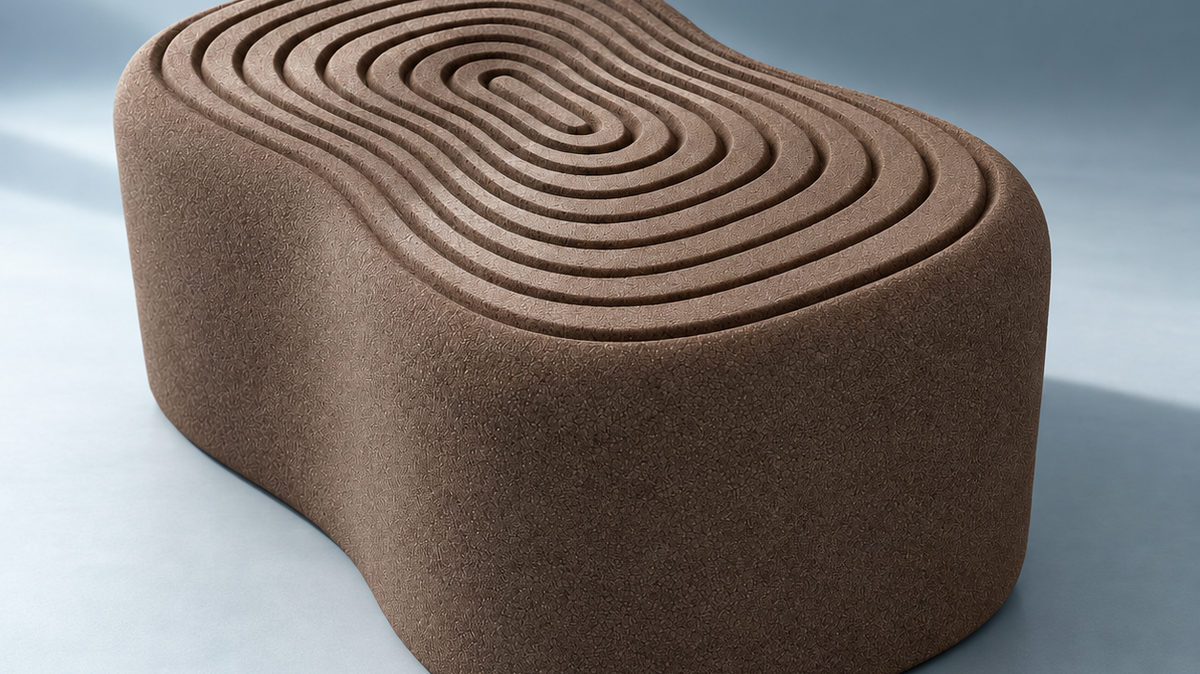
“Pilates box,” “reformer box” and “sitting box” are often used for the same family of accessories, but each term emphasises a different use. A reformer box is intended for use on a reformer; a sitting box is the traditional name linked to seated and box-based repertoire; Pilates box is the broader modern term covering reformer, mat and mixed-use designs.
Written by the Elemental Movement Lab and reviewed by Samantha Giam, certified classical Pilates instructor. Updated 30 September 2026.
Are Pilates boxes and sitting boxes the same thing?
Often, yes. Many manufacturers use the names interchangeably for a firm rectangular box placed on the reformer carriage. But dimensions, materials and intended exercises vary, so the name alone does not guarantee compatibility.
What is a reformer box?
A reformer box sits on the reformer carriage and changes the usable surface and body position. It may be placed lengthwise or crosswise when the equipment and exercise allow.
What is a sitting box?
A sitting box is a traditional Pilates term for this accessory. Despite the name, it is used in more than seated work.
What does “Pilates box” mean?
Pilates box is a broader category term. It describes traditional upholstered sitting boxes as well as newer designs for reformer, mat, yoga or mixed use.
How do you choose between them?
| Question | What to check |
|---|---|
| Will it be used on a reformer? | Compatibility with carriage dimensions and shoulder blocks |
| Will you move it often? | Weight, grip and ease of handling |
| Will it be used on the mat or for yoga? | Stability and manufacturer-approved use away from the reformer |
| Will you sweat on it? | Surface grip and how easily the material cleans |
| Where will it be stored? | Overall dimensions and whether the material tolerates the environment |
| What exercises will you perform? | Shape, height and intended loading |
Upholstered box vs moulded foam box
| Upholstered timber box | Moulded EPP box | |
|---|---|---|
| Weight | Heavier | Very light |
| Surface | Smooth vinyl or fabric | Can be textured for grip and feedback |
| Moisture | Seams and fabric can absorb sweat | Closed-cell foam resists moisture |
| Portability | Mostly stays with the reformer | Easy to carry between reformer, mat and room |
Does box shape matter?
Yes. Height changes body position; width changes the support surface; edges and curves change contact points. A rectangular box and a sculpted rounded box should not be assumed to behave identically. Flat tops also give little feedback about where the body is, and can shift during rotational movement.
What makes Pebble™ different?
Pebble™ is Elemental's lightweight Pilates box, made from one-piece 100% EPP and measuring 70 × 45 × 30 cm. Instead of an upholstered rectangle, it uses a waisted form that gives the body a clear central reference, with concentric grooves for tactile feedback. It moves between the Elemental reformer, the mat and yoga practice, and comes with a carry tote. Compatibility with non-Elemental reformers has not been verified.
For the broader explanation, read What Is a Pilates Box and What Is It Used For?
Box terminology FAQs
Is a long box different from a sitting box?
“Long box” can refer to the orientation of a traditional box on the reformer or, depending on the manufacturer, a particular box format. Check the equipment instructions rather than relying on terminology.
Can I buy a generic box for my reformer?
Only after checking dimensions, stability and compatibility. Similar-looking boxes are not automatically interchangeable.
Where can I buy a Pilates box in Australia?
Pebble™ is available to order online, and can be seen at Living Edge in Sydney from December 2026.


